
Efficiency and Sufficiency
Reclaiming the uses of friction

Efficiency seems to be the word of the moment. It is used as a bludgeon, a solution, a threat, and a promise.
Efficiency is not a bad word (although its use nowadays often leaves a bad taste in my mouth). Efficiency’s derivatives aren’t dirty words, either. (I’m partial to “efficacious” —it has an almost-transcendent quality to it.) As a writer, one of the first guidelines to better writing is to write economically—in other words, to be more purposeful and precise (efficient, some might say) in one’s choice of words and sentence structures. (As you can see in my aside on “efficacious,” I do not always adhere to that rule.)
Still, I can see the point. Efficiency can be a useful tool in negotiating and discovering purpose. But, followed to one end, it champions utilitarianism, and views people as expendable. Instead of viewing people created in the image of God, cold, calculated efficiency sees only numbers on a spreadsheet.
Wiser people than me have written about the problems of work, efficiency, embodiment, and modernity (Wendell Berry, Emerson, and Thoreau all come readily to mind). Wiser people than me will write about it, I am sure. Living in our particular time and place, there is still an acute salience to these questions. But, I would argue, the cries of “efficiency, efficiency, efficiency” make me wonder: how valuable is efficiency, really?
Efficiency can be a useful tool in some areas—when implemented in thoughtful ways, it can bring about impressive results (whether in a workplace, in piano practice, or in writing). I think that efficiency can be a useful value—but I do not believe is necessarily a virtue.
It’s certainly a bad theology. Efficiency must not be the only measure of success, let alone goodness or morality. One of my favorite songs, “The Trapeze Swinger” by Iron and Wine, has a line which I often come back to: “And angels with their great handshakes/Were always done in such a hurry.” There are different ways to interpret the line, of course, but it reminds me that prioritizing efficiency over connection in human and spiritual relationships lacks binding, soul-changing warmth and love.
I realize there are countless ways to define efficiency. But I’ve found that far-too-often, when people throw around the term “efficiency”, what they mean to say is, “if I throw enough money at a problem, then all friction will disappear and X,Y, or Z won’t bother me anymore.”
This is 1) not true, and 2) friction has its purposes.
For example, physically, without friction, we could not walk. This has happened to me an embarrassing amount of times, but especially when I lived in eastern Ukraine. I would be walking down an icy road, and then suddenly find myself flat on the ground, looking up at the streetlights and the stars. Gravity efficiently and quickly helped me fall to the ground without any friction to guide my feet. Friction has its purposes.
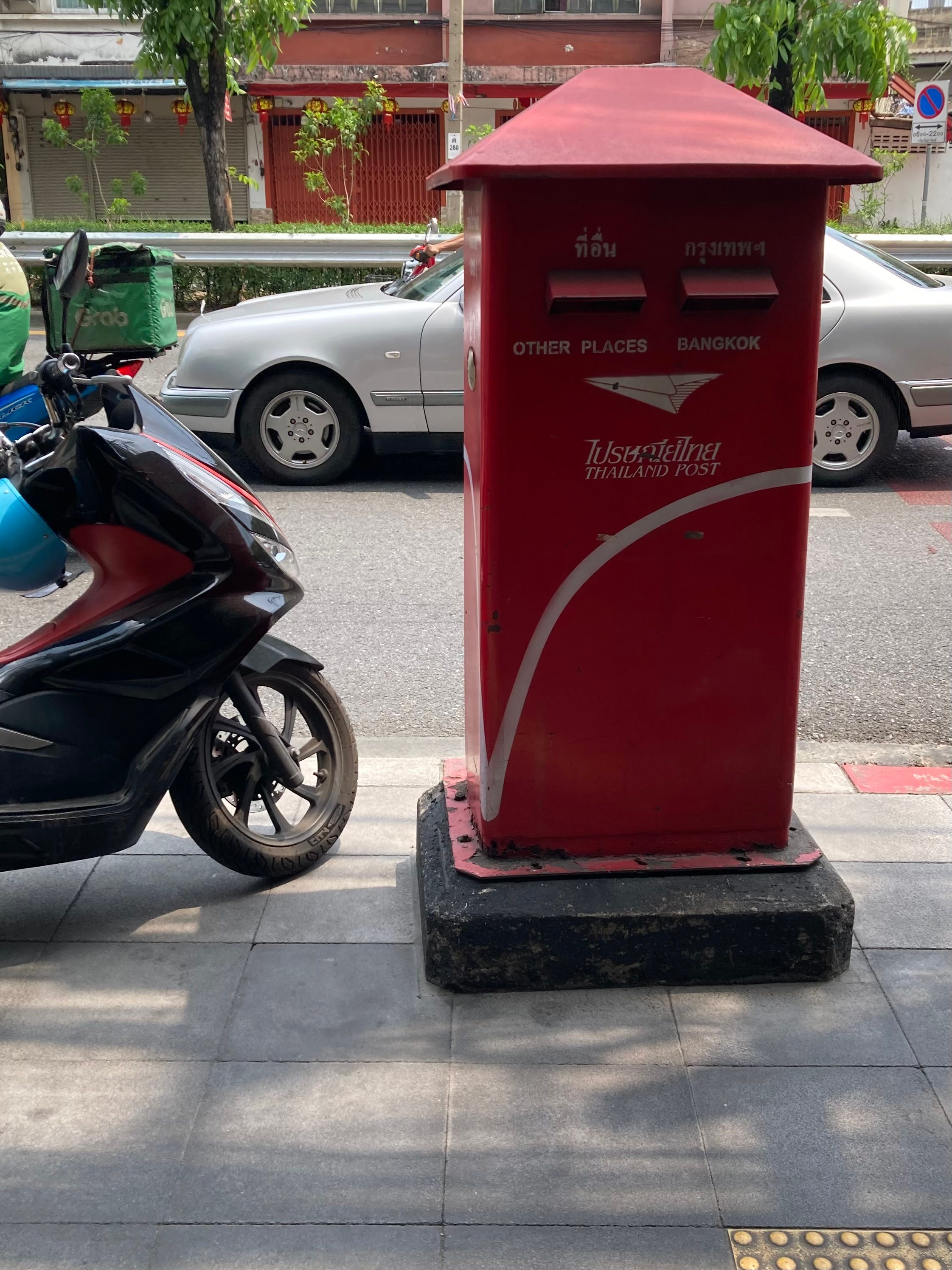
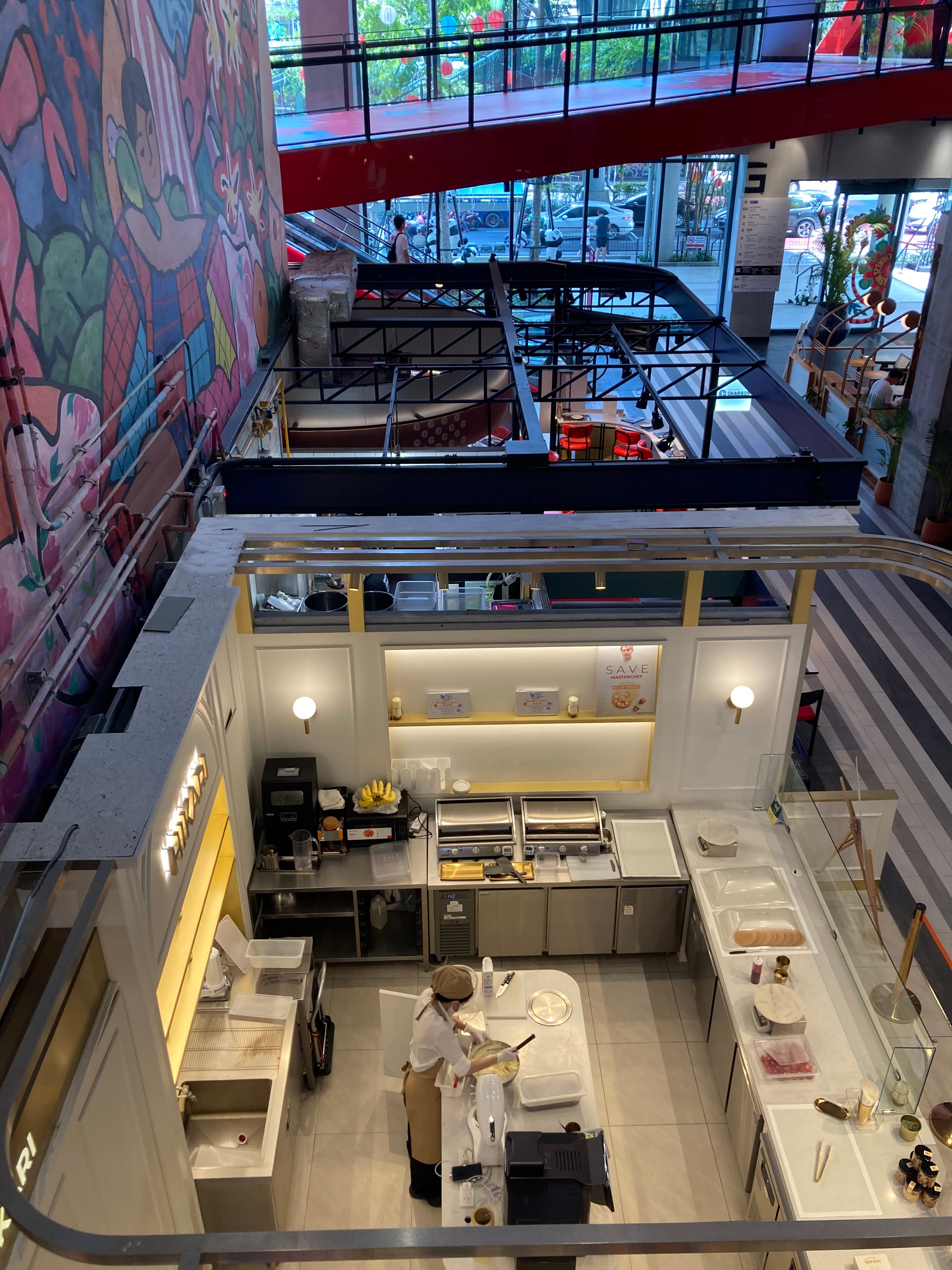
Living in Bangkok has made me think about the uses of friction in other ways, too. During our first weeks here, we realized how easy it could be to live a “frictionless” life, based on our purchasing power in this economy. Labor is cheap here. I can have a meal delivered to our home for under $10. There are people in Bangkok with enough money who do live “frictionless” lives here, without ever having to lift a finger to do laundry, or take care of their children, or put on their own jackets.
But I need the edges. I need some friction in my life to help me feel my limits and connection to other people.
That’s not to say that efficiency does not have a purpose. It does. But I think that efficiency is at its best when it is tempered by other tools and values. In other words, it needs some friction.
What pairs well with efficiency to help tame its excesses? (Because, yes, idolizing efficiency leads to excess—the impulse to cut more, more, more; the demand for more hours, for more productivity, for more soul sacrificed on the altar of profit.)
I think one value which provides necessary friction to efficiency’s excesses is sufficiency.
Sufficiency is knowing when you have enough. It is a recognition of limits. In my mind, sufficiency is also tied to gratitude. (For another take on this, I loved Jon Ogden’s take on the virtue of enough, and Spirited Away.)
Sufficiency is also knowing when you can’t do it on your own. Theologically, I’m drawn to these compelling verses in the Book of Mormon:
“And when I had said this, the Lord spake unto me, saying: Fools mock, but they shall mourn; and my grace is sufficient for the meek, that they shall take no advantage of your weakness;
“And if men come unto me I will show unto them their weakness. I give unto men weakness that they may be humble; and my grace is sufficient for all men that humble themselves before me; for if they humble themselves before me, and have faith in me, then will I make weak things become strong unto them.
—Ether 12:26-27
Sufficiency reminds me that I can never do it alone. Even as Emerson wrote that to “trust thyself” is the only response to this world, self-reliance has its limits (and, like efficiency, can lead to solipsism). I need connection, even if human connection is sloppy and error-prone, for it reminds me that I am alive and that I am needed and loved.
Besides, some of the most important work we might ever do is decidedly not effective.
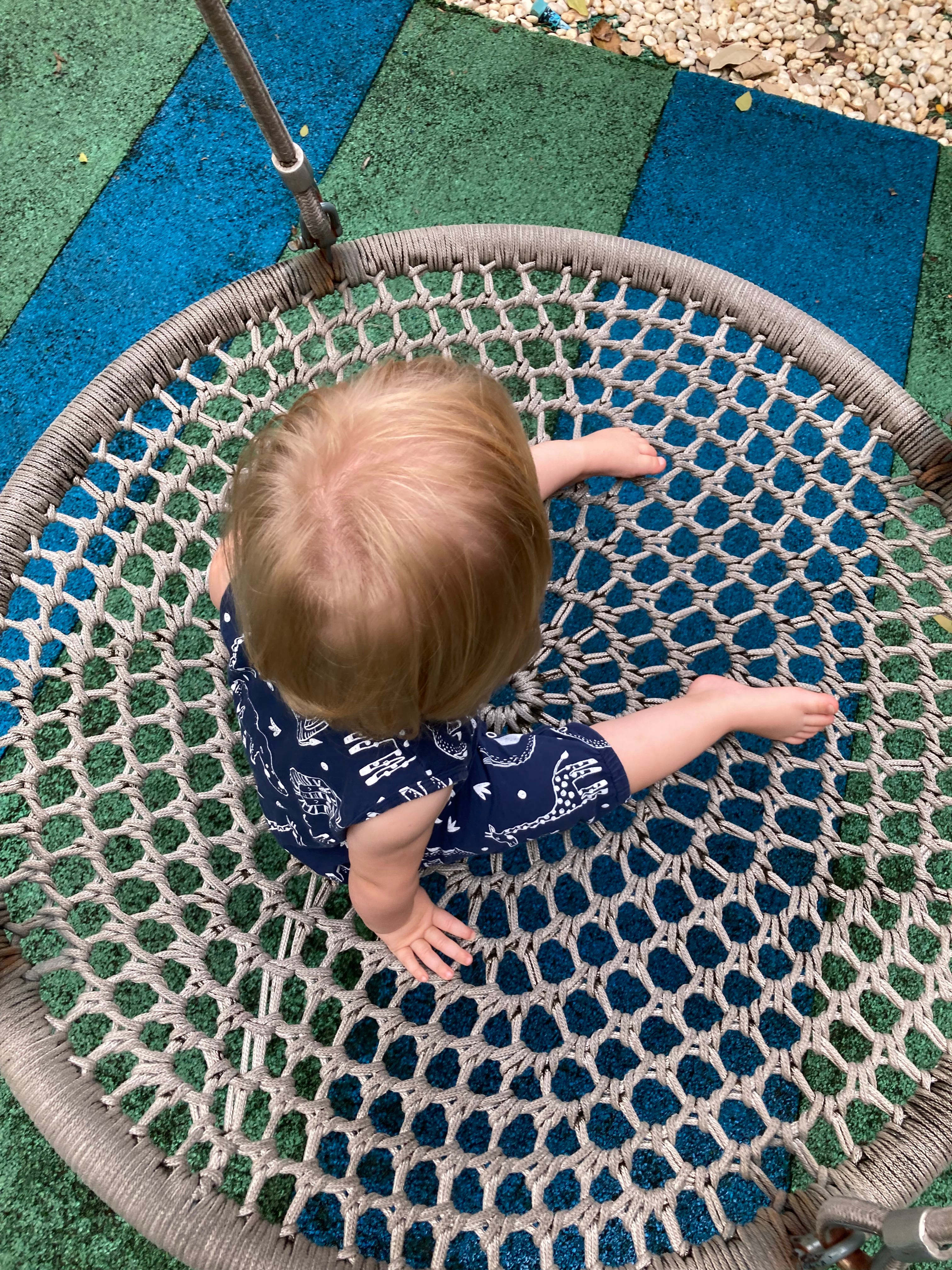
Working with people—and especially working with children—is not effective. But the work I do as a mom is not based on efficiency. It is more about sufficiency. It is less thinking about means to an end, but asking, What is necessary in this moment?
It is not efficient to walk to the park (with the sun beating down on us) and have my son stop every two feet to gather sticks he finds on the side of the road. It is not efficient to make a dinner (a dinner you know your toddler enjoys) and then have said-dinner over the bib, over the high chair, over the floor—everywhere but her mouth. It is not efficient to have a sick baby. Sick babies don’t care about your spreadsheets. But they do care about sleeping in clean bedsheets and having someone to put a cool hand against their flushed cheeks.
My children don’t care about efficiency. Not really. And when I try to explain my order of operations to them, they really don’t care at all. Time means something completely different to them than it does to me. In many ways, I am their time. They measure time through me.
So what do my children need in this moment? What is sufficient for them? Usually, what is sufficient is my attention. To notice, to listen, and to love.
We often phrase the work of parenthood as “shaping the next generation.” We try to put a value on this care. But ultimately? There is no appropriate value we can give it. Not because it’s worthless. But rather, because it is worthwhile.
Drawing the line between where efficiency (or sufficiency, or any other value) turns from virtue to vice is not easy. But, to quote from a haunting, provocative line from Wendell Berry’s essay, “Feminism, the Body, and the Machine,” if we “are ever again to have a world fit and pleasant for little children, we are surely going to have to draw the line where it is not easily drawn.”
Recognizing human worth (even, and especially for the “least of these”—or, those unable to give us any benefit or power) and valuing human worth over ambition has to, in my mind, be one of the guiding factors in drawing those lines.

oh man this whole thing is just hitting very close to home--been having these same sorts of thoughts swirling around and in conversation with cec. glad to have your expression of them join the swirl!